8 Top Solutions for Peeling Nails: Rescue Your Nail Health Today!
Peeling nails can be really annoying and uncomfortable. When layers of your nails start flaking off, it not only looks bad but can also hurt and make simple tasks difficult. Peeling nails might be telling you something about your overall health, too. Don’t worry, though – with the right care, you can turn those fragile nails into strong, healthy ones again!
Key Takeaways for Fixing Peeling Nails:
- Consistent moisturising with specialised nail oils is crucial for preventing peeling
- Strengthen from within using biotin-rich supplements and a balanced diet
- Protective treatments create barriers against environmental damage and water exposure
- Proper nail care techniques prevent further trauma to fragile nails
- Addressing nutritional deficiencies can resolve persistent peeling issues
- Gentle filing in one direction helps prevent further nail layer separation
- Regular breaks from polish allow nails to recover and breathe
- Professional treatments may be necessary for severe, persistent peeling
Understanding Why Your Nails Are Peeling Apart
Before we talk about fixes, let’s understand what’s causing your nails to peel in the first place. Knowing the “why” behind peeling nails is half the battle in fixing them! Finding your specific triggers will help you treat the problem more effectively.
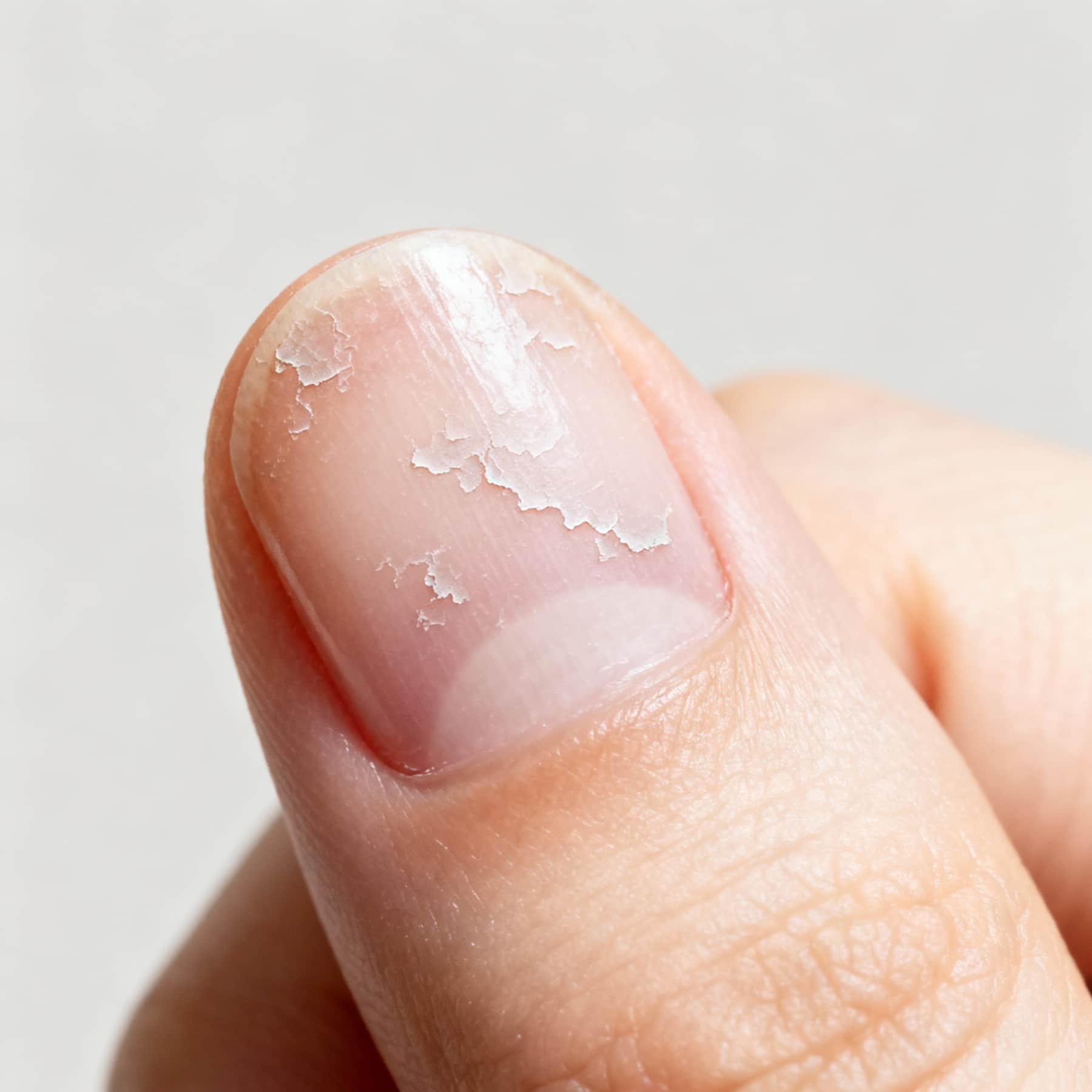
Peeling nails (or onychoschizia if you want to sound smart at your next nail appointment) happens when the layers of your nail plate separate. Water is a major cause—when your hands get wet and dry repeatedly, your nails expand and contract until they start flaking. This weakens the bonds between nail layers, causing them to separate over time. That’s why it’s so important to wear gloves when doing dishes!
Chemicals are also tough on nails. Acetone-based polish removers strip away not just polish but also the natural oils that keep your nails flexible. These harsh chemicals dissolve the “glue” that holds nail cells together. Household cleaners can be even worse if you don’t wear gloves—they often contain chemicals that are more damaging than acetone.
Nutritional deficiencies are another big factor people often miss. Your nails can show what’s happening inside your body. Low iron, not enough biotin, or too little protein can all show up as peeling nails. It’s like your body’s way of sending an SOS signal! When you don’t get enough of these nutrients, your body takes care of important organs first, and your nails suffer.
Physical damage is also a common cause. Using your nails as tools (like opening soda cans) creates tiny injuries that add up over time. These small damages disrupt how your nails grow and weaken the bonds between layers. And if you pick at or bite your nails when stressed, you’re literally tearing apart the protective layers and exposing the vulnerable parts underneath.
1. Intensive Moisturising Treatments
Let’s start with the most important solution for peeling nails: serious moisture! Hydration is absolutely necessary when dealing with brittle, flaking nails. Without proper moisture, even expensive treatments won’t work well.

A good moisturising nail oil is a game-changer for dry, peeling nails. These oils are made to soak into the nail plate and deliver moisture where it’s needed most. The best ones use jojoba, vitamin E, and almond oils that mimic your body’s natural oils, allowing them to absorb deeply instead of just sitting on top. Nail oils work better than regular hand creams because their tiny molecules can actually get between the nail’s layers rather than just coating the surface.
For best results, apply nail oil at least twice daily, focusing on the cuticle area where new nail growth begins. Keep a bottle by your bed and make it part of your nightly routine. Many people see improvement in just 7-10 days of regular use. For an even more intensive treatment, try a nail repair cream that contains ceramides to rebuild your nail’s moisture barrier and collagen peptides to strengthen the nail structure.
For really damaged nails, try the “overnight treatment” method: Apply a thick layer of repair cream before bed, then put on cotton gloves to lock in the moisture while you sleep. This creates a mini-greenhouse effect that forces the good ingredients to soak in deeply instead of evaporating. You’ll wake up with noticeably more hydrated nails, and using this method consistently for 2-3 weeks can completely transform peeling nails.
2. Strengthening Treatments and Hardeners
When your nails are flaking like pastry dough, it’s time to bring in stronger treatments that actually rebuild nail integrity. Good strengthening treatments work deep down to reconnect those separated nail layers.

A good nail strengthening treatment is specifically made to fix peeling and splitting. The best ones don’t contain harsh chemicals like formaldehyde that might make nails temporarily harder but cause damage in the long term. Instead, they work by filling in tiny gaps between nail layers, basically “glueing” those peeling layers back together with a flexible bond that moves with your natural nail.
Using these treatments is simple. After removing all polish and cleaning your nails, apply one coat daily for a week, then remove and start over. After the first week, apply every other day for maintenance. The treatment builds up over time, creating stronger connections between the proteins in your nails with each application. Most people see much less peeling within 2-3 weeks.
These strengtheners contain keratin proteins similar to what your nails are naturally made of. It’s like feeding your nails exactly what they need to rebuild themselves. The protein molecules are made small enough to soak into the nail plate rather than just sitting on top. And unlike some treatments that make nails so hard they become brittle, good strengtheners keep nails flexible—which is important for preventing future peeling.
3. Nutritional Support for Nail Health
Sometimes peeling nails is an inside job, and topical treatments can only do so much. Supporting your nails from within is where the real magic happens for long-term results! Your nails are made of hardened proteins, so giving your body the building blocks it needs is super important.

Nail supplements are the internal solution to your external nail problems. Good ones contain biotin—the superstar nutrient for nail growth and strength. But the best supplements also include other nutrients like zinc, selenium, and vitamin E that work together to improve nail health from the inside out.
The science behind nutritional support for nails is solid. Biotin (Vitamin B7) is essential for making keratin—the protein your nails are made of. Studies show that biotin supplements can increase nail thickness by up to 25% and reduce brittleness in people with fragile nails. A 2007 study found that 91% of participants showed clear improvement with biotin after just six months.
Nutritional Deficiencies That Cause Peeling Nails:
- Biotin (Vitamin B7): Essential for keratin production and cellular energy metabolism in the nail matrix
- Iron: Necessary for healthy nail bed and matrix oxygenation; deficiency often causes spoon-shaped or brittle nails
- Zinc: Critical for protein synthesis and nail growth; supports immune function at the nail fold
- Omega-3 Fatty Acids: Provide natural moisture to prevent dryness and maintain cellular membrane integrity
- Protein: The building block of nails; insufficient protein leads to weak, slow-growing nails
- Vitamin C: Essential for collagen production that supports the nail bed structure
- Magnesium: Helps with protein synthesis and enzyme function for healthy nail growth
Most people start seeing results after about 4-6 weeks of taking supplements regularly—remember that your nails grow slowly, so be patient! Supplements work best when taken with food to help your body absorb them better, and taking them consistently is key. Missing doses can interrupt the steady supply of nutrients to the nail matrix, where new nail cells are formed. Think of it as a long-term investment in your nail health, with the bonus that your hair and skin often improve too!
4. Protective Nail Care Routines
How you treat your nails every day can make or break your fight against peeling. Let’s set up a nail care routine that actually protects those delicate layers instead of damaging them! Even the best products can’t overcome harmful habits, so changing your approach to everyday nail care is essential.
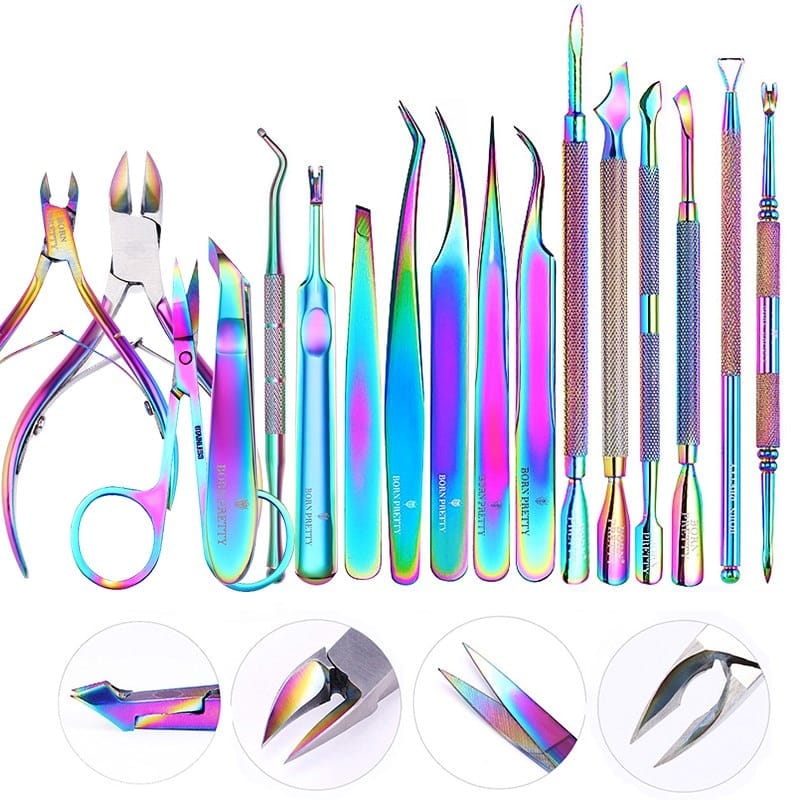
A good nail care kit should include gentle, non-acetone polish remover with nourishing oils, glass nail files (which are much better for preventing peeling), and proper cuticle tools for safely removing hangnails without damaging the nail plate. Each tool should be designed with nail health as the priority, not just making nails look pretty.
Here’s the truth about filing: always file in one direction, not back and forth like a saw! That sawing motion creates tiny tears in the nail that lead to more peeling. When you file back and forth, you’re creating microscopic splits that get bigger over time. Glass files are better than emery boards because they seal the nail edge as they shape, preventing layers from separating further. They also have a very fine grit that creates a smooth edge less likely to catch and tear, and they can be cleaned between uses, unlike emery boards, which collect bacteria.
Another absolute must: wear gloves during water exposure. Household gloves aren’t just for cleaning commercials—they’re essential nail care tools! Water actually damages nails more than most cleaning chemicals because the constant expanding and contracting weakens the nail structure. Each time your nails get wet, they absorb water and swell slightly. Then, as they dry, they shrink. This repeated cycle stresses the bonds between nail layers, eventually causing them to separate. Get some gloves and actually use them for dishes, cleaning, and even gardening.
Even your nail polish choices matter when dealing with peeling nails. Choose formulas labelled “5-free” or “10-free” that don’t contain harsh chemicals like formaldehyde and toluene. These cleaner formulas might not last quite as long, but they’re much gentler on your nails. Always use a base coat—it’s not just for preventing staining; it creates a protective barrier between your natural nail and potentially drying polish pigments.
5. Complete Nail Repair Kits
When your nails are in emergency mode, sometimes you need a complete approach that tackles multiple aspects of peeling at once. That’s where complete repair kits come in! These all-in-one solutions take the guesswork out of fixing your nails by giving you everything you need in the right order.
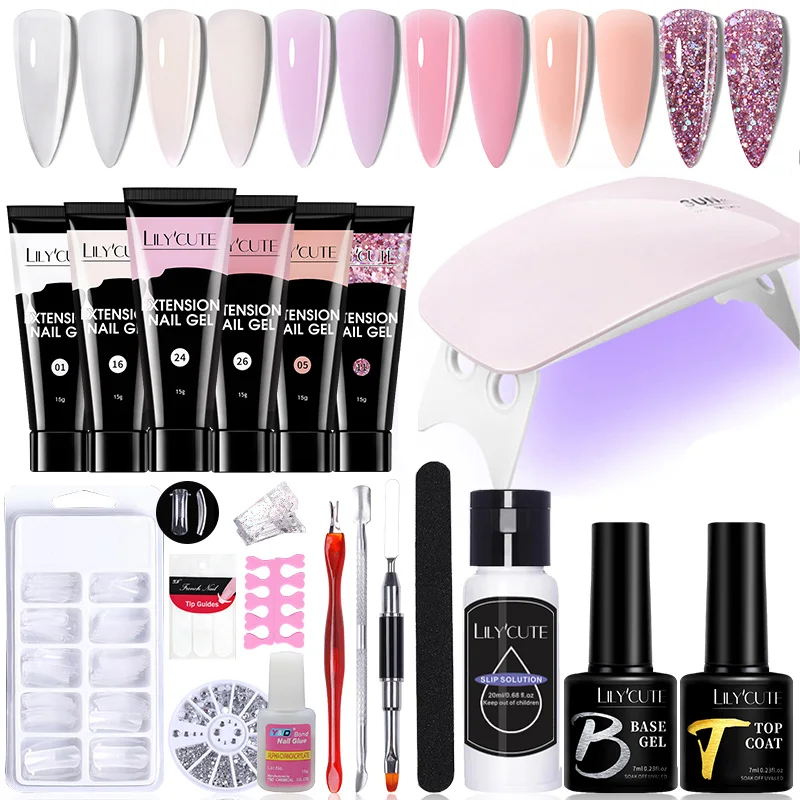
A good nail treatment kit includes everything needed for a complete nail rehab program: strengthening base coat, cuticle oil with jojoba and vitamin E, repair cream with ceramides and peptides, gentle buffer for smoothing rough edges, precision glass file, and even cotton gloves for overnight treatments. Every part works together with the others, creating a better effect than any single product alone.
What makes these kits so effective is the team approach—each product works with the others to address different aspects of nail peeling. The strengthener binds the layers together, the oil and cream provide essential moisture at different depths, while the tools ensure you’re not causing more damage during maintenance. This multi-angle approach tackles the problem from all sides at once, speeding up the healing process.
These kits are especially valuable if you’re not sure exactly what’s causing your peeling nails—they cover all the bases from hydration to strengthening to protection. The complete approach means you’re addressing multiple possible causes rather than guessing which single issue might be the problem. They’re also perfect for seasonal changes when nails tend to become more problematic due to changing humidity and heating/cooling systems that can dry out your nail plates.
6. Specialised Treatments for Severe Peeling
When regular treatments aren’t working, it’s time to try specialised solutions designed specifically for stubborn, persistent peeling issues. These advanced formulas target the root causes of severe nail damage with concentrated ingredients and innovative delivery systems.

For severely damaged nails, specialised repair treatments offer intensive help. These products contain higher concentrations of active ingredients like keratin proteins, ceramides, and peptides that work at the molecular level to rebond nail layers and restore structural integrity. These professional-strength formulas are designed for nails that haven’t responded to normal treatments and need a more aggressive approach.
The key difference between these specialised treatments and regular strengtheners is how deep they work and how well they bind. Regular strengtheners work mostly on the surface layers, while advanced formulas penetrate multiple layers deep to create stronger connections between the keratin fibres in your nails. They use tiny particles to deliver active ingredients to the deeper nail layers, where they can establish new bonds between separated keratin sheets.
When to Consider Professional Help:
While home treatments work for most cases of peeling nails, consider seeing a professional if:
- Peeling is accompanied by pain, inflammation, or colour changes that could indicate infection
- Your nails continue to get worse despite consistent treatment for 6-8 weeks
- The peeling appeared suddenly and severely without obvious cause
- You notice other changes in your nails, like ridges, pitting, or thickening, which could signal health issues
- The nail bed appears discoloured, or the nail is separating from the bed
- You have underlying conditions like diabetes or circulation problems that affect nail health
These could indicate underlying health conditions that require medical attention from a dermatologist or specialised nail technician.
Professional nail rescue treatments offer expert-level solutions for those with persistent peeling issues. These in-depth treatments include professional assessment of your nail condition, custom-blended treatments based on your specific needs, and a take-home maintenance kit to continue the healing process between appointments. During in-salon procedures, professionals use stronger products and techniques not available for home use, including controlled micro-abrasion to smooth peeling edges and specialised bonding agents that require professional application.
7. Preventive Strategies for Long-Term Nail Health
Once you’ve fixed your immediate peeling problems, let’s talk about keeping those nails strong and layer-free for the long haul with smart preventive strategies. Prevention is much easier than rehabilitation when it comes to nail health, so using these practices can save you a lot of frustration down the road.
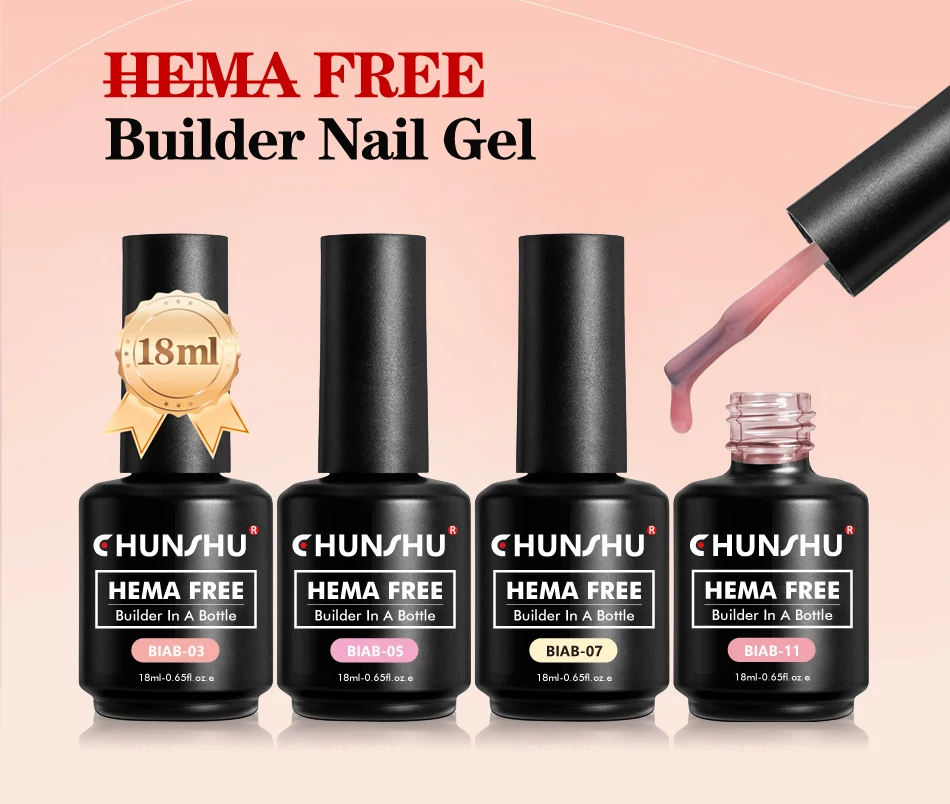
Prevention is always better (and cheaper!) than cure when it comes to nail health. Products designed for long-term maintenance focus on keeping optimal moisture balance, gradually strengthening the nail structure over time, and creating protective barriers against environmental damage before it can happen.
The foundation of prevention is consistent hydration—make applying cuticle oil as automatic as brushing your teeth. Do it morning and night, plus after every hand washing if possible. This simple habit prevents the moisture fluctuations that lead to layer separation in the first place. The cuticle area is where new nail cells are formed, so keeping this area nourished ensures that new growth comes in healthy and strong.
Next, think about your lifestyle factors. Are you constantly in water? Do you use a lot of hand sanitiser? Both are terrible for nails. Adjust your habits to include gloves for water exposure and switch to moisturising hand sanitisers when possible. If your job requires frequent hand washing or sanitising, make up for it with extra moisturising treatments during breaks and after work. And stop using your nails as tools! Get a good letter opener, staple remover, and other tools to avoid using your nails for jobs they weren’t designed for.
Your nail polish choices also play a big role in prevention. Take regular breaks from polish—even a week every month allows your nails to breathe and recover. This polish-free time lets you focus on intense hydration and strengthening treatments that can’t soak through polish layers. When you do use polish, always use a nourishing base coat and avoid quick-dry formulas, which tend to be more drying due to their higher alcohol content.
8. Lifestyle Changes That Promote Nail Strength
Sometimes the solution to peeling nails isn’t just what you put on them, but how you live your life. Let’s look at the bigger picture of nail health through lifestyle changes. These holistic approaches work with topical treatments by addressing the internal and environmental factors that affect nail structure and integrity.
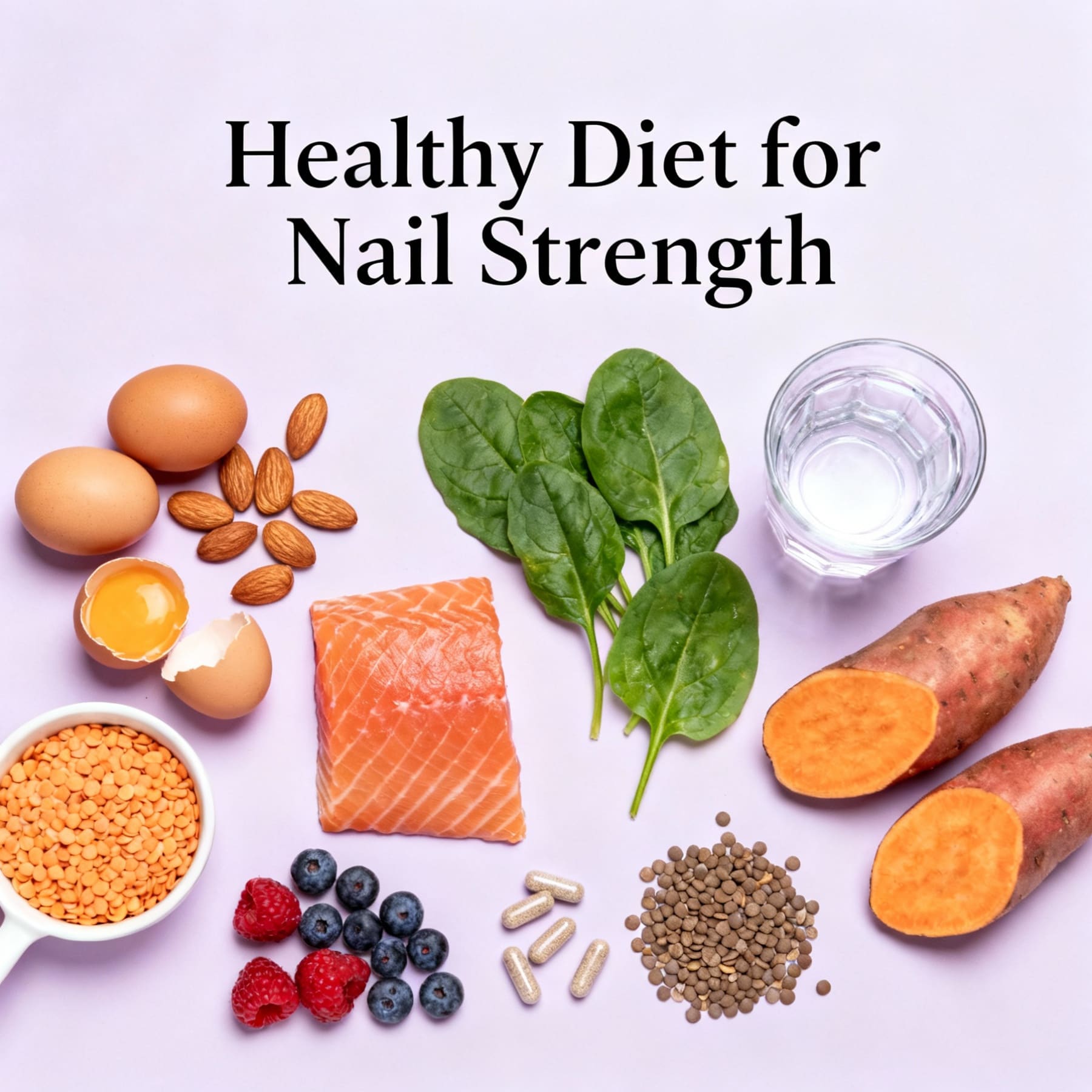
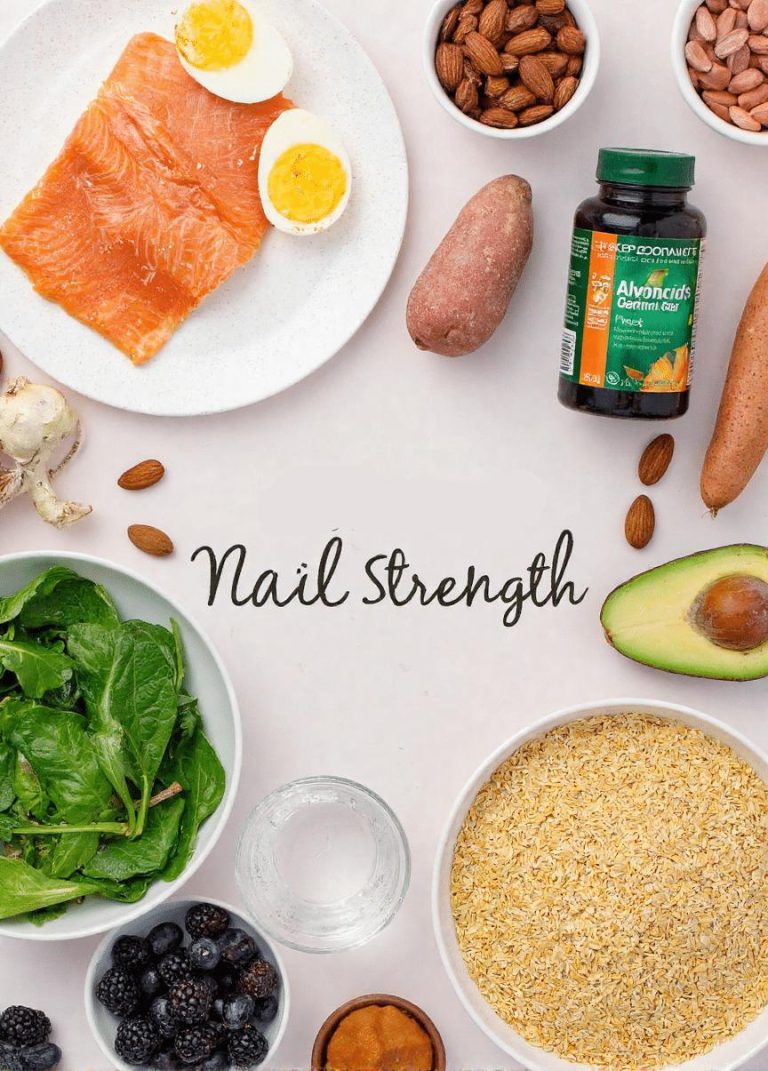
Your diet plays a huge role in nail health that many people overlook. Beyond taking supplements, try to include these nail-friendly foods in your diet:
– Protein-rich foods like eggs, chicken, and beans provide the building blocks for keratin, the protein that forms your nail plate
– Foods high in biotin, like almonds, sweet potatoes, and eggs, support energy production in nail cells
– Omega-3 rich foods like salmon and walnuts for internal moisture and reduced inflammation around the nail bed
– Iron-rich foods like spinach and red meat can help prevent brittle nails by ensuring proper oxygen gets to nail tissues
– Zinc-containing foods like pumpkin seeds and chickpeas for the growth and repair of nail cells
– Silicon-rich foods like bell peppers and oats to improve nail flexibility and strength
– Sulfur-containing foods like garlic and onions, which help form bonds in keratin for stronger nails
Hydration is another crucial factor—and I mean your overall body hydration. Drinking enough water helps maintain moisture levels in your nails just as it does for your skin. Aim for at least 8 glasses daily, more if you’re active or in dry climates. Proper hydration ensures that nutrients get to your nail matrix effectively and that waste products are efficiently removed.
Stress management might seem unrelated to nail health, but too much stress can absolutely show up in your nails. High stress levels can affect nutrient absorption and blood flow to your nail beds, not to mention that stress often leads to nail biting or picking. Chronic stress diverts resources away from “non-essential” functions like nail growth and maintenance, resulting in weaker nails that are more likely to peel. Many people notice better nail condition after starting regular stress management practices, even without changing their topical treatments.
Quick Lifestyle Tweaks for Stronger Nails:
- Keep nails shorter while healing—less leverage means less stress on the layers and fewer chances for catching and tearing
- Wear cotton-lined gloves in cold weather to prevent moisture loss and protect against harsh elements
- Apply hand cream after every hand washing to counteract the drying effects of soap and water
- Take biotin supplements daily to support keratin production from within
- Schedule “polish breaks” every few weeks to allow nails to recover and receive intensive treatments
- Use a humidifier in dry environments to prevent excessive moisture loss from nails and cuticles
- Minimise contact with drying chemicals like cleaning products, acetone, and sanitisers
- Avoid prolonged soaking in water, including hot tubs and long baths
Sleep quality also affects nail health more than you might think. During deep sleep, your body does most of its repair work, including nail cell regeneration. Aim for 7-9 hours of quality sleep to give your body time to heal those peeling nails from the inside out. During sleep, your body releases growth hormone, which is essential for tissue repair and regeneration, including the cells in your nail matrix.
Conclusion: Your Journey to Peel-Free Nails
Fixing peeling nails isn’t a quick process, but with the right approach, products, and consistency, you can transform your nail health. The journey takes patience, but the results—strong, beautiful nails that don’t constantly flake and split—are worth the effort.

Remember that nail health is a marathon, not a sprint. The nail plate takes about 6 months to grow out completely, so a complete transformation requires patience. Your current peeling nails reflect conditions from months ago, and similarly, the benefits of improved care will gradually become more visible as new, healthier nail growth emerges. Focus on these key strategies we’ve covered:
1. Consistent moisturising with nail oil to maintain optimal hydration balance
2. Strengthening treatments to rebond separated layers
3. Internal support through supplements to provide essential building blocks
4. Protective care routines to prevent further damage
5. Comprehensive repair with treatment kits for a systematic approach
6. Professional help when needed for stubborn cases
7. Lifestyle changes that support overall nail health from the inside out
8. Preventive strategies to maintain results long-term
What works best is usually a multi-faceted approach that addresses both the symptoms (the actual peeling) and the underlying causes (whether that’s dehydration, damage, or nutritional factors). Treating only the surface without addressing internal factors, or focusing solely on supplements without protecting the nails externally, gives limited results.
The good news? Nails are remarkably resilient. Given the right care and conditions, they can recover from even severe peeling and damage. The nail matrix continues to produce new cells throughout your life, giving you constant opportunities for renewal and improvement. With consistent use of the strategies we’ve discussed, most people see significant improvement within 4-8 weeks, with completely new, healthy nails growing in over 3-6 months.
Your perfect, peel-free nails are within reach—just give them the time, attention, and proper care they deserve! Remember that consistency is more important than intensity; regular, gentle care will give better results than occasional aggressive treatments. Be patient, celebrate small improvements along the way, and soon you’ll have gorgeous, healthy nails that no longer peel and flake!

Leave a comment