Synthetic vs Natural Nail Brushes: What’s Best?
Nail artists often debate the merits of synthetic versus natural nail brushes. Each type has unique features that make them good for different uses. The choice between synthetic and natural brushes can affect how well your nail art turns out, how easy it is to apply, and even how long your manicure lasts. Let’s look at the differences between these two popular options, their properties, benefits, and potential drawbacks to help you choose the right brushes for your nail art kit.
Understanding Synthetic Nail Brushes
Synthetic nail brushes are made from materials like nylon and polyester. They have several advantages that make them popular among nail artists of all skill levels:
1. Durability: Synthetic brushes can withstand frequent use and exposure to nail products without wearing out quickly. This makes them great for nail technicians who work with many clients or for people who do nail art often.
2. Easy maintenance: These brushes are easier to clean because they don’t absorb as much product as natural brushes. This helps prevent bacteria buildup and keeps your nail art tools hygienic.
3. Consistency: Synthetic bristles provide a more consistent application, which is especially helpful for beginners. They’re good for creating clean lines and detailed patterns.
4. Versatility: Modern synthetic brushes work well with many nail products, including acrylics and gels. This makes them a good all-around choice for nail artists who use different types of nail products and techniques.
Maniology’s nail brush collection offers synthetic options, including the 8-piece Dual Sided Nail Art Brush and Dotting Tool Set. This set is great for trying different nail art techniques, with multiple brush shapes and sizes in one compact set.
Exploring Natural Nail Brushes
Natural nail brushes, usually made from animal hair like sable or kolinsky, are the traditional choice for many nail artists. Here’s why they remain popular:
1. Superior paint pick-up: Natural bristles are great at holding and releasing nail polish or acrylic products. This results in a smoother application and fewer dips into the polish bottle or acrylic pot.
2. Flexibility: The natural fibres offer a softer touch, allowing for more precise control in detailed work. This is helpful when creating intricate designs or blending colours.
3. Blending capabilities: Natural brushes are often preferred for techniques that require seamless blending, like creating soft gradients or transitions between colours.
4. Professional choice: Many experienced nail technicians prefer natural brushes for their performance in high-end nail art. The control offered by natural brushes allows skilled technicians to achieve a high level of precision and artistry.
Comparing Performance: Synthetic vs Natural
Both synthetic and natural brushes have their strengths. Here’s how they compare:
- Precision and Control: Natural brushes generally offer better precision for intricate designs. Synthetic brushes provide more consistent results, especially for beginners.
- Product Compatibility: Synthetic brushes work well with a wide range of modern nail products. Natural brushes excel with traditional nail polishes.
- Longevity and Maintenance: Synthetic brushes typically last longer and are easier to clean. Natural brushes may require more careful care.
- Application Texture: Natural brushes often provide a smoother application. Synthetic brushes have improved but may require more skill for the same smoothness.
- Cost-Effectiveness: Synthetic brushes are generally more affordable. High-quality natural brushes can be an investment for professionals.
Brush Shapes and Sizes for Various Techniques
Nail brushes come in various shapes and sizes, each suited for specific techniques:
1. Flat brushes: Great for applying base coats and creating French tips. They allow for quick and even coverage.
2. Angled brushes: Ideal for detailed work and creating sharp lines. They’re excellent for outlining designs or creating geometric patterns.
3. Striper brushes: Used for fine lines and intricate designs. They’re perfect for creating delicate lines, swirls, and detailed patterns.
4. Fan brushes: Great for blending and creating special effects like ombre. They’re ideal for creating gradients or applying glitter in a controlled way.
The Cute Turquoise 8pc Dual Sided Nail Art Brush and Dotting Tool Set from Maniology offers a variety of brush shapes, making it a great starter kit for nail art enthusiasts.
Maintenance and Care
Proper care is important for extending the life of your nail brushes:
1. Clean your brushes right after use to prevent product build-up.
2. Use appropriate cleaning solutions – avoid harsh chemicals that can damage the bristles.
3. Store brushes with the bristles facing up to maintain their shape.
4. For natural brushes, be extra gentle and avoid soaking them for too long.
Making the Right Choice
When choosing between synthetic and natural nail brushes, think about your skill level, preferred techniques, and budget. Beginners might find synthetic brushes easier to use, while professionals often prefer the control of natural brushes. Consider the types of nail products you use and the styles of nail art you want to create.
Conclusion: Your Perfect Nail Art Companion
Both synthetic and natural nail brushes can help you create amazing nail art. The key is finding tools that work well for your style. As you improve your skills, don’t be afraid to try different brush types. Your perfect brush collection will grow and change as you tackle more complex designs.
Ready to improve your nail art? Check out Maniology’s range of nail brushes to find the right tools for your creative ideas. They offer quality options for nail artists at every level. Invest in your hobby, try different brushes, and watch your nail art get better and more complex.
Happy painting!
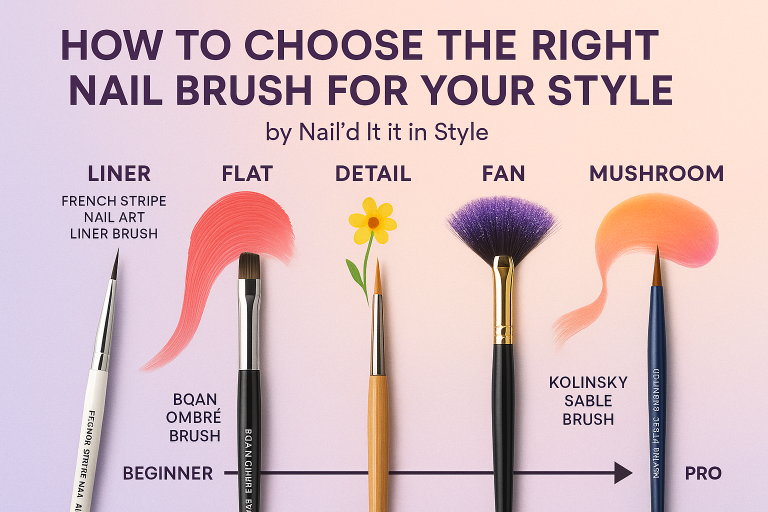
How to Choose the Right Nail Brush for Your Style
Further reading
How to Choose the Right Nail Brush for Your Style
Leave a comment